The Ultimate Local Guide to Caledon: Trails, Backroads, and How Locals Actually Spend a Weekend

Most guides to Caledon read like they were written from a parking lot. Same stops, same angles, same surface-level recommendations. That’s not how people who live here use the place.
Caledon is less about “what to see” and more about how you move through it — when you show up, which roads you take, where you slow down, and where you don’t bother stopping. If you treat it like a checklist, you’ll leave thinking it’s overrated. If you approach it properly, it’s one of the most satisfying local escapes in Ontario.
This is how to do it right.
Start With the Terrain (This Is Why Caledon Works)
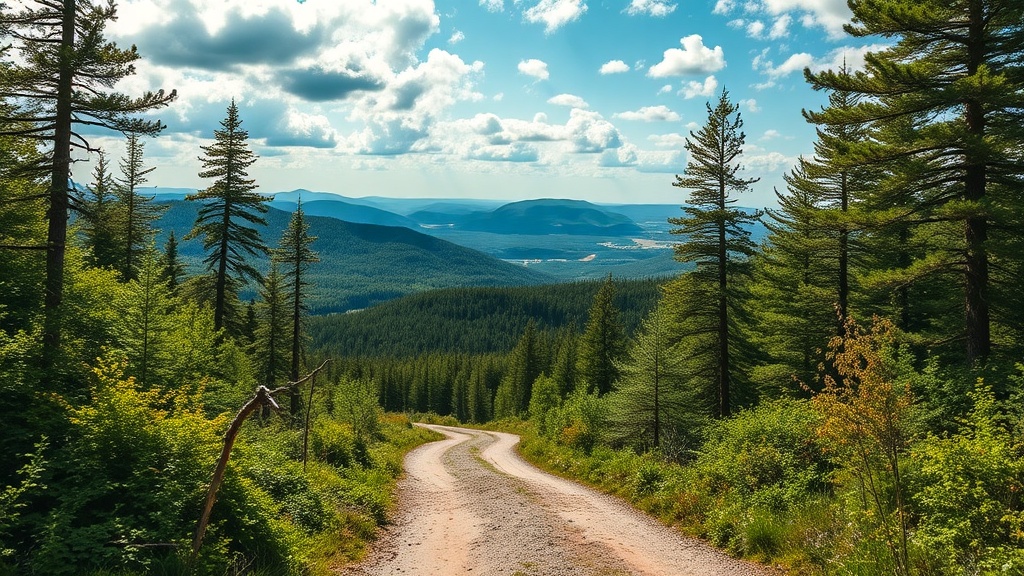
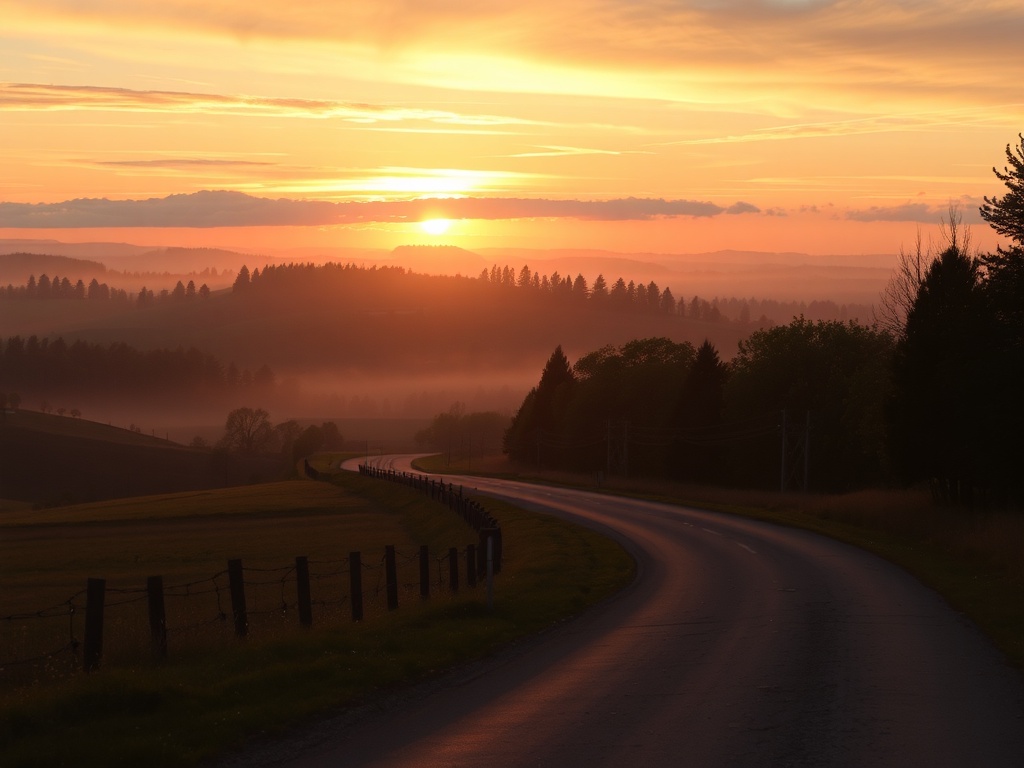
The reason Caledon feels different isn’t hype — it’s geography. The Niagara Escarpment cuts straight through, and that gives you elevation, winding roads, and dense forest pockets you don’t get in most of southern Ontario.
Drive north for 20 minutes and you’ll feel it. Subdivisions fade out. Roads tighten. Light filters differently through the trees. It’s subtle, but it’s the whole point.
If you’re expecting a big “destination,” you’ll miss it. Caledon works best as a sequence — drive, stop, walk, repeat.
The Trails Locals Actually Prioritize
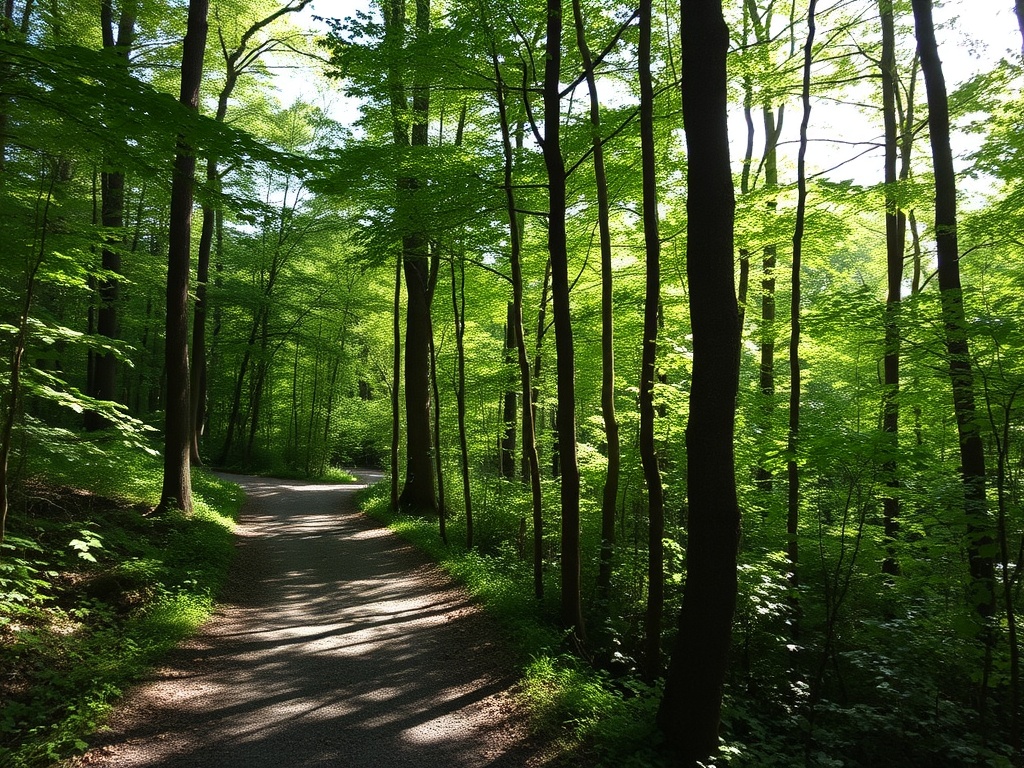
There are plenty of trails here. Not all of them are worth your time. These are the ones locals come back to.
Forks of the Credit
This is the anchor. Elevation, water, and trails that feel more remote than they actually are.
- Go early — before 9 AM is non-negotiable on weekends
- Best after rain when the falls have real flow
- Expect moderate climbs — nothing extreme, but enough to feel it
Belfountain Conservation Area
Yes, it’s popular. It’s also worth it if you time it properly.
- Short loops, high visual payoff
- Ideal as a second stop, not your first
- Late afternoon is the sweet spot once crowds thin out
Caledon Trailway
Less dramatic, more versatile. This is where locals go for long walks, runs, or cycling without dealing with packed parking lots.
- Flat, accessible, and stretches for kilometres
- Connects small communities like Inglewood
- Best for steady movement, not scenery hunting
The Small Town Stops That Hold Up
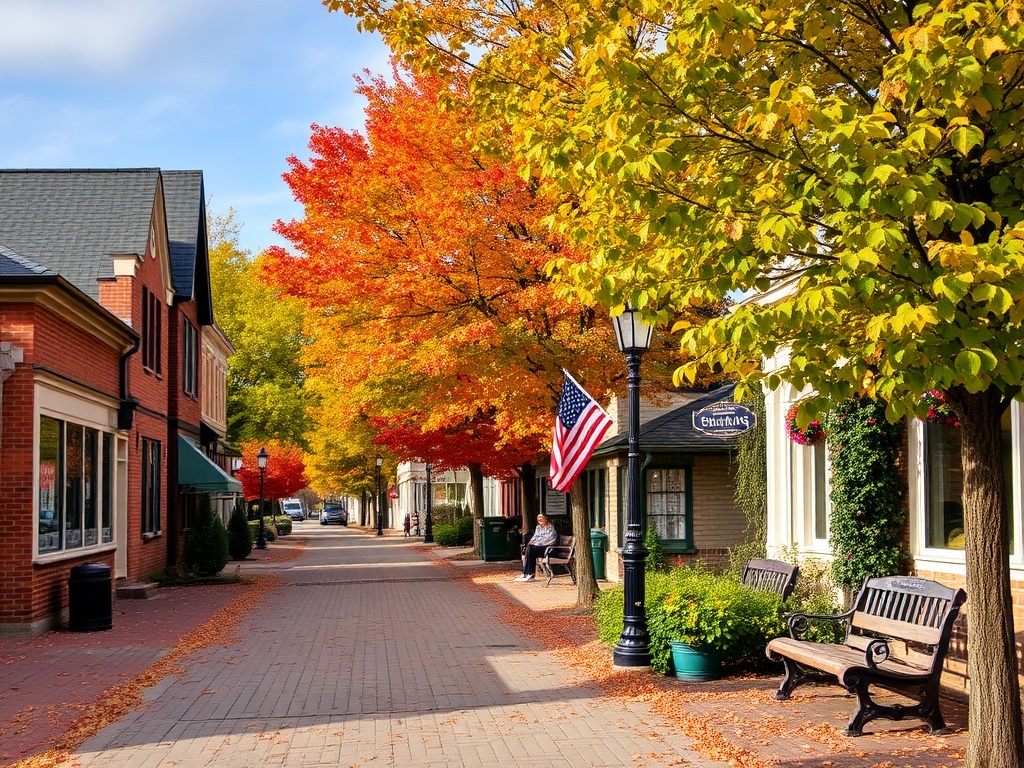
There’s no shortage of “cute” stops in Ontario. Most aren’t worth pulling over for. These ones are.
Belfountain
Tiny, slightly rough around the edges, and exactly what you want after a hike. Coffee, a bench, and no pressure to rush.
Alton
This is where Caledon has a bit more personality. Heritage buildings, a creative edge, and just enough going on to make it feel alive without turning into a scene.
Inglewood
More low-key, but a useful connector. If you’re on the trailway or driving through, it’s a natural pause point rather than a destination.
How to Structure a Proper Caledon Day
Most people get the order wrong. Here’s the version that works without wasting time or doubling back.
- Arrive early — 8:30 AM latest
- Start at Forks of the Credit while it’s still quiet
- Drive into Belfountain for a reset (coffee, short walk)
- Head toward Alton for a longer break or lunch
- Take the long way back using sideroads instead of main routes
- Catch golden hour from any elevated stretch — don’t overthink the spot
This sequence keeps your energy aligned with the terrain — harder effort early, slower pacing later.
Seasonal Reality (Timing Matters More Than You Think)
Fall
It’s the headline season for a reason. It’s also crowded to the point of being frustrating if you show up late. Weekdays or sunrise — anything else is a compromise.
Spring
Arguably the best overall. Trails are quieter, water levels are higher, and everything feels active again.
Summer
Long days help, but visually it’s more subdued unless you’re deep in forest cover. Better for cycling than sightseeing.
Winter
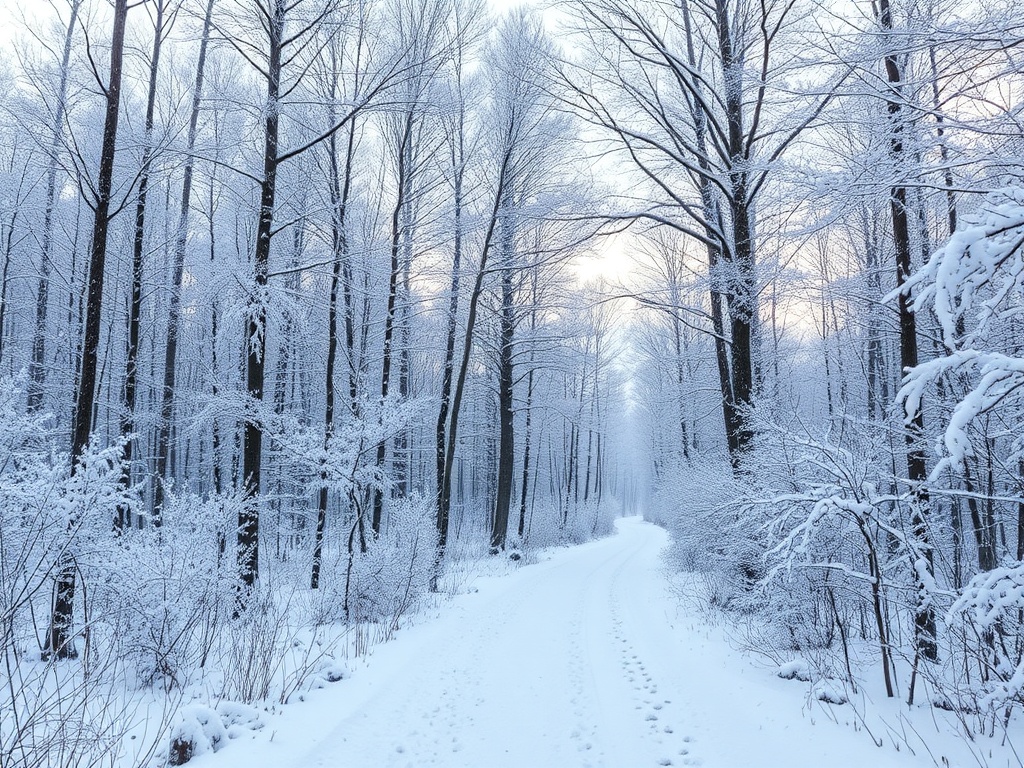
Underrated and mostly empty. If you’re prepared for snow and ice, this is the calmest version of Caledon you’ll get.
The Backroads That Make the Trip
If you only stick to main roads, you’re missing half the experience. These routes are where Caledon actually opens up.
- Forks of the Credit Road — winding, elevated, and worth driving slowly
- Mississauga Road (north sections) — quieter and more scenic than people expect
- The Grange Sideroad — classic farmland and rolling hills
Don’t treat these as connectors. Treat them as the main event.
Common Mistakes (Easy to Avoid)
- Arriving late: parking fills, trails crowd, experience drops fast
- Overplanning stops: you don’t need ten — you need three good ones
- Ignoring conditions: fog, rain, and snow often make Caledon better, not worse
Final Take
Caledon isn’t trying to be a destination — and that’s exactly why it works. It’s a place you move through, not something you “complete.”
If you slow down, take the backroads, and time your stops properly, you’ll get a version of Ontario that feels far removed from the usual routine.
Go early. Take the long way. And don’t rush the quiet parts — that’s where Caledon actually shows up.