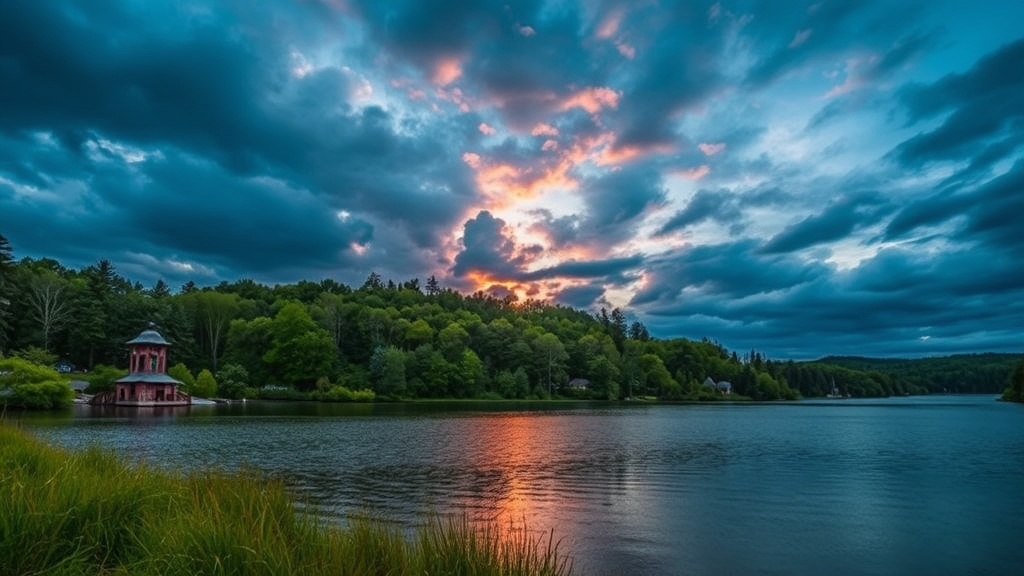
10 Best Hidden Gems to Explore in Caledon, Ontario This Year

Forks of the Credit Provincial Park
Albion Hills Conservation Area
Cheltenham Badlands
Spirit Tree Estate Cidery
Ken Whillans Resource Management Area
Caledon hides in plain sight. While tourists flock to Niagara Falls and Blue Mountain, this pocket of Peel Region quietly delivers some of Ontario's most surprising outdoor adventures, farm-fresh experiences, and small-town charm. This guide cuts through the generic travel advice and points you toward ten places locals actually visit—spots you won't find plastered across every Instagram feed, but that deliver real value for a day trip or weekend escape from Toronto, Brampton, or Mississauga.
What Makes Caledon Worth Visiting Instead of Better-Known Ontario Destinations?
Caledon offers authentic rural character within 45 minutes of downtown Toronto. Unlike the commercialized strips of Blue Mountain Village or the crowded wine trails of Niagara-on-the-Lake, Caledon maintains working farms, conservation areas without gift shops, and trails where you won't queue for a parking spot. The Niagara Escarpment cuts through here, creating dramatic topography most visitors associate with destinations hours farther north.
The townships—Caledon East, Bolton, Inglewood, Belfountain—each carry distinct personalities. Bolton feels industrial and practical. Caledon East leans equestrian and affluent. Belfountain telegraphs cottage-country nostalgia. You can hit three different vibes in a single afternoon drive along the winding roads of The Grange or King Street.
That said, Caledon isn't pretending to be untouched wilderness. This is still commuter country. The difference lies in scale and intention. Developers haven't paved over every interesting corner yet. Family farms still sell from barn doors. You can still find silence.
1. The Cheltenham Badlands — Mars in the Middle of Farm Country
You've seen the photos. The striped, rust-red hills look like they belong in Utah, not forty minutes northwest of Pearson Airport. The Cheltenham Badlands formed over 450 million years through erosion of Queenston shale, and the result stops first-time visitors cold.
Here's the thing: you can't walk on the formation anymore. Parks Ontario closed direct access in 2015 to prevent further damage. But the viewing platform—installed in 2018—actually improves the experience. You see the full scope without dodging selfie sticks on the slopes. The boardwalk trails loop through surrounding forests, offering perspectives most early visitors missed entirely.
Visit early morning or late afternoon. Midday sun flattens the colour saturation. Bring actual hiking shoes—the access trail gets muddy after rain. And don't skip the interpretive signs. The geological history here predates dinosaurs by a significant margin.
The site sits on Olde Base Line Road, roughly ten minutes northwest of Belfountain. Parking requires a reservation through Parks Ontario between May and October. Worth noting: the $10 reservation fee beats driving out and finding the lot full.
2. Forks of the Credit Provincial Park — Where the River Actually Matters
Most Toronto-area parks feel like green rectangles with walking loops. Forks of the Credit operates on different principles. The Credit River drops through a gorge here, creating waterfalls, swimming holes, and trout habitat that draws anglers from across Southern Ontario.
The Kettle Trail delivers the park's signature hike—a 4.5-kilometre loop past the waterfall, through kettle formations left by retreating glaciers, and along the riverbank where herons fish in the shallows. The elevation change surprises flatlanders. You'll work harder here than on most Bruce Trail sections closer to the city.
Swimming happens at your own risk. No lifeguards. The water runs cold even in July—snowmelt and spring-fed sources keep temperatures in the "gasp" range. That said, on a humid August afternoon, the Cataract Falls area sees locals perched on rocks, dipping feet and drinking coffee from Tim Hortons travel mugs.
The park limits daily visitors. Arrive before 10 AM on summer weekends or risk getting turned away at the McLaren Road gate. The Ontario Parks reservation system handles advance bookings, and you'll want one for Labour Day weekend.
3. Spirit Tree Estate Cidery — Real Apples, Real Process, Real Product
Not all Ontario cideries deserve your time. Some buy concentrate. Others run tourist traps with thin product and thick gift shop markup. Spirit Tree operates differently.
The cidery sits on a working farm on Caledon's western edge, surrounded by orchard blocks and pasture. Inside the timber-frame barn, production happens behind glass walls—no mystery, no hidden shortcuts. The cider list rotates through seasonals: traditional dry, hopped variations, ice cider made from frozen fruit, and experimental batches using heritage apple varieties most people have never tasted.
The wood-fired bakery produces genuine sourdough using a starter maintained for over fifteen years. The pizzas—served Friday through Sunday—feature ingredients grown within sight of the patio. This isn't farm-themed dining. It's actual farm dining.
The tasting room accepts walk-ins, but weekend reservations fill fast. Check their website for availability. The patio faces west, making it ideal for sunset drinking during the long evenings of June and July.
4. Albion Hills Conservation Area — Mountain Biking That Doesn't Bore You
Toronto's trail systems suffer from flatness and crowding. Albion Hills solves both problems. The Lake Ontario Conservation Authority maintains over 50 kilometres of singletrack here, ranging from beginner-friendly groomed paths to technical descents that challenge experienced riders.
The trail network spreads across rolling terrain—nothing extreme, but enough elevation change to keep your heart rate up. The "Dgcourse" (disc golf) trails double as hiking loops for non-riders, winding through mixed forest that explodes with colour in October.
Camping options extend from basic sites to serviced spots with electrical hookups. The facilities clean up nicely—better than many provincial parks, honestly. Hot showers, actual flush toilets, and staff who respond to noise complaints instead of ignoring them.
Day use runs $7 per person. Annual passes pay for themselves in three visits if you live within reasonable driving distance. The entrance sits on Highway 50, roughly fifteen minutes north of Bolton.
5. The Caledon Trailway — Flat, Fast, and Actually Useful
Not every adventure requires vertical gain. The Caledon Trailway stretches 35 kilometres along a converted railway bed, connecting Terra Cotta to Palgrave in a straight, level line perfect for cycling, running, or pushing strollers without cardiac events.
The surface—packed limestone dust—drains well after rain and stays firm through most conditions. Road bikes handle it fine, though 28mm tires or wider improve comfort. The trail passes through farmland, forest patches, and the backyards of rural estates where horses watch you pedal past.
Access points cluster near communities: Terra Cotta, Cheltenham, Caledon East, Palgrave. Parking is free and usually available. The trailway connects to the Trans Canada Trail system, meaning you could theoretically ride from Caledon to Newfoundland if you had time and questionable judgment.
Winter maintenance varies by section. Some stretches get groomed for cross-country skiing. Others revert to snowshoe territory. Call the Peel Region parks line before planning a January excursion.
Where Should You Eat After Exploring Caledon's Outdoors?
Hunger hits different after fresh air and physical exertion. Caledon offers better post-adventure dining than its rural reputation suggests, though you need to know where to look.
| Spot | Best For | Price Range | Worth Ordering |
|---|---|---|---|
| Earl's Lodge (Caledon East) | Brunch, patio dining | $$ | The Caledon breakfast with locally sourced sausage |
| Monora Park Pavilion | Quick lunch, trail proximity | $ | Homemade butter tarts, coffee |
| Ray's 3rd Generation Bistro (Belfountain) | Dinner, date night | $$$ | Burger with aged cheddar, hand-cut fries |
| Emma's Back Porch (Bolton) | Casual Canadian, beer selection | $$ | Fish and chips, local craft pints |
| Awn Kitchen (Inglewood) | Brunch, baking | $$ | Sourdough French toast |
The catch? Most kitchens close early—9 PM on weekends, earlier on weeknights. Plan accordingly. Cell service gets spotty in the valley areas, so download offline maps or write down addresses before you leave WiFi range.
6. Terra Cotta Conservation Area — The Quiet Alternative
Everyone crowds Forks of the Credit. Terra Cotta sits fifteen minutes southeast and offers comparable scenery with half the foot traffic. The Credit River runs through here too, carving gentler valleys through forest that feels older, more settled than the rugged terrain farther north.
The fishing deserves mention. The river holds brown trout, rainbow trout, and the occasional brookie willing to take a dry fly. Access requires a valid Ontario fishing licence and adherence to catch limits, but the experience beats shoulder-to-shoulder combat fishing on more famous Southern Ontario streams.
The Forest Therapy Trail—marked with Japanese-inspired signage—guides visitors through a deliberate, slow-paced walking meditation. Sounds hokey until you try it. The cedar grove section near the river feels genuinely transportive, especially on misty mornings when the valley fills with fog.
Worth noting: the conservation area runs educational programming through spring and fall—wildflower walks, owl prowls, maple syrup demonstrations that explain the process without the carnival atmosphere of larger festivals.
7. The Grange — Architecture You Can't Photograph Properly
The Grange (officially the Grange, or Grange Cemetery Road area) presents a concentrated collection of 19th-century Ontario architecture that photography fails to capture. The winding road, the stone fences, the farmsteads set back against mature hardwoods—it's a cliché of rural Ontario beauty because it actually embodies rural Ontario beauty.
The Grange Park offers public access to part of this landscape, with walking trails through meadows and forest. The historic 1828 house—built by the same family that established the area's agricultural character—stands preserved but not museum-frozen. You can approach it, read the plaques, understand how this community formed around Loyalist settlement patterns and Scottish immigration.
Drive this route slowly. The road narrows. Cyclists and horse trailers share the pavement. But the scenery justifies the pace. You'll pass working farms with "Honest Weight" signs selling eggs, produce, and sometimes firewood by the cord.
8. Ken Whillans Resource Management Area — Underwater Visibility in a River
This pocket park near Caledon Village hides one of Southern Ontario's most unusual natural features: a section of the Credit River so clear you can watch trout holding in current from the bank above. The water emerges from springs and seeps that filter it clean, creating visibility rare in our generally murky watersheds.
The fishing here runs catch-and-release only, which keeps the pressure manageable and the trout growing. Access requires a bit of bushwhacking—no paved paths, just worn trails following the riverbank. Wear boots with ankle support. The terrain tilts and roots grab.
Beyond fishing, the area offers quiet hiking through mature forest where pileated woodpeckers announce themselves with machine-gun drumming. You won't find facilities—no washrooms, no water, no interpretive signage. Bring what you need and carry out what you bring.
9. Belfountain Village — The Anti-Niagara-on-the-Lake
Belfountain (the village proper, not just the conservation area) offers a concentrated dose of Ontario small-town nostalgia without the wine-country markup. The general store—Belfountain Village Store—operates continuously since 1880, selling everything from ice cream cones to hardware to locally produced honey.
The patio at the Belfountain Inn overlooks the river and serves as the village's unofficial community centre. Locals gather for coffee in morning, tourists filter through for lunch, everyone mixes without friction. The food won't win culinary awards, but the setting compensates.
The nearby Belfountain Conservation Area and the Forks of the Credit Provincial Park (already mentioned) provide the outdoor recreation that draws most visitors. The village itself offers the transition—rest, refuel, browse the tiny art gallery in the old schoolhouse, continue.
10. Palgrave Forest and Wildlife Area — Your Dog's Favourite Place
This 300-hectare property north of Palgrave allows off-leash dogs on most trails—a rarity in conservation areas increasingly restricted by liability concerns. The mixed forest, wetlands, and open fields create varied terrain that exhausts energetic breeds and satisfies their need to range.
The trail system connects to the Caledon Trailway, meaning you can construct loops of varying lengths depending on ambition and time. The wetland sections—boardwalked for dry passage—attract waterfowl in spring migration. Bring binoculars. You might spot hooded mergansers, wood ducks, or the occasional late-departing snow goose.
The parking lot fills by 10 AM on weekend mornings with dog owners establishing pack hierarchies while their animals sort out social dynamics. If you prefer solitary hiking, weekday afternoons deliver emptier trails and better wildlife sighting opportunities.
Winter brings cross-country ski grooming and snowshoe rentals from the nearby community centre. The flat terrain suits beginners learning classic technique without the intimidation of hills.